


Views: 0 Author: Site Editor Publish Time: 2026-09-08 Origin: Site


Table of Contents
Selecting a commercial or industrial power system requires balancing strict site regulations with safety requirements and maintenance realities. Facility managers and site operators frequently face a zero-sum trade-off between acoustic compliance, environmental protection, physical footprint, and upfront capital expenditure when specifying generator architectures. You must evaluate site-specific constraints before committing to a specific equipment layout. Installing the wrong unit leads to regulatory fines, overheating, or excessive downtime.
This guide provides an evidence-based breakdown of the structural and operational differences between a silent vs open frame diesel generator to support a technically sound procurement decision. We will examine thermal dynamics, maintenance accessibility, and regulatory compliance to help you specify the exact machinery required for your application.
Acoustic Compliance vs. Cost: Silent generators command a 20–40% price premium due to acoustic enclosures, but are mandatory for urban, residential, and event deployments subject to strict dB(A) limits.
Maintenance & Portability: Open frame units offer unobstructed access to critical engine components and are significantly lighter, reducing diagnostic downtime and simplifying transport in controlled industrial environments.
Thermal Dynamics: Enclosed units require advanced airflow engineering—often utilizing a silent water-cooled diesel generator configuration—to prevent derating from trapped ambient heat.
Safety & Deployment: Open frames require existing infrastructure (weatherproof plant rooms with restricted access) for permanent installation, whereas silent generators function as standalone, weather-resistant, and touch-safe assets.
Understanding the physical construction of each generator type is the first step in matching the equipment to your site requirements. The core power generation components remain identical across both platforms. An internal combustion engine drives an alternator to produce electrical current. The divergence lies entirely in the surrounding physical infrastructure and how that infrastructure manages heat, sound, and environmental exposure.
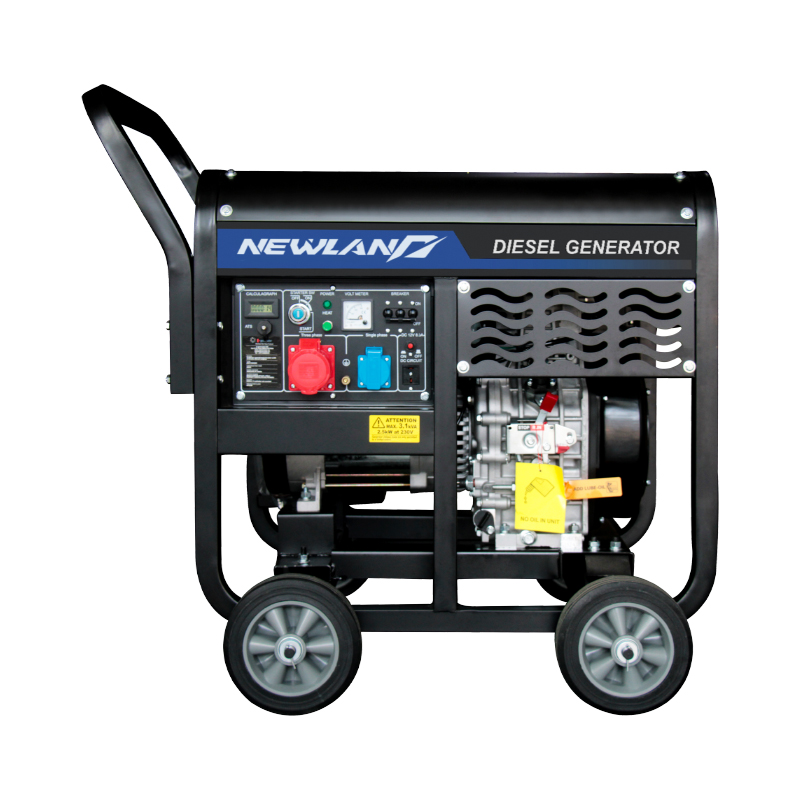
An open frame architecture strips the generator down to its essential functional components. The engine, alternator, radiator, and control panel are mounted directly onto a structural steel skid. This skid serves as the primary foundation, often incorporating vibration isolation mounts between the rotating assembly and the steel frame to prevent harmonic transfer. The base frame typically houses a single-wall or double-wall daily fuel tank, providing enough capacity for 8 to 12 hours of continuous operation at full load.
This minimalist design prioritizes maximum ambient airflow. The engine-driven cooling fan pulls air directly from the surrounding environment, pushes it through the radiator core, and exhausts it without restriction. The exhaust manifold and turbocharger remain completely exposed. The industrial exhaust silencer is often shipped loose, requiring on-site contractors to pipe it through the building's roof or wall. Operators gain immediate, unobstructed visual and physical access to all mechanical components. This layout minimizes the overall physical footprint, making it highly suitable for integration into existing mechanical rooms where space is at a premium.
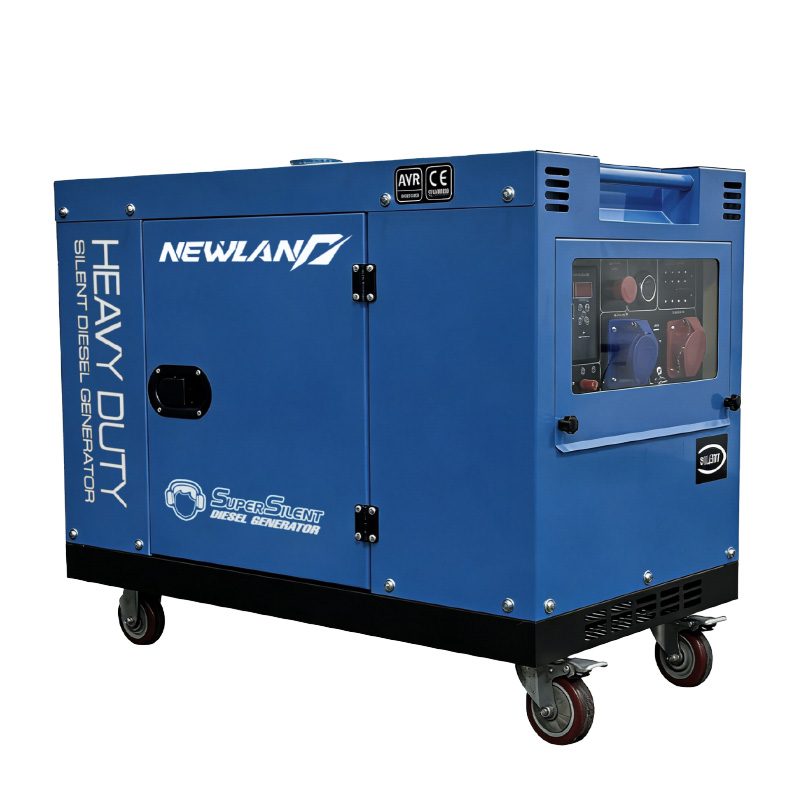
A silent generator encloses the identical core components within a heavy-gauge steel or marine-grade aluminum canopy. This enclosure is a highly engineered airflow and acoustic management system. Manufacturers construct the canopy from 2mm or 3mm cold-rolled steel, treated with acid washing, phosphating, and electrostatic powder coating to resist UV degradation and rust. The interior walls are lined with high-density, fire-retardant acoustic foam or rock wool. Perforated galvanized metal sheeting covers this insulation to prevent physical degradation and fluid absorption from oil or fuel spills.
Engineers design specific intake and exhaust routing using sound-attenuation baffles. These baffles create a labyrinth or maze-like path for the air. Because sound travels in straight lines, forcing the air to turn multiple corners breaks up the sound waves before they escape the enclosure. The exhaust silencer, which is typically mounted externally on open units, is integrated inside the canopy. Heavy-duty rubber weather seals line all access doors, preventing water ingress and sealing acoustic leaks. Stainless steel hinges and lockable handles secure the perimeter. This architecture transforms the generator into a self-contained, weather-resistant power plant ready for immediate outdoor deployment.
Selecting the correct architecture requires evaluating your site against strict operational dimensions. A failure to accurately assess these factors will lead to regulatory fines, premature equipment failure, or excessive maintenance downtime.
Noise generation is the primary differentiator between these two systems. Open frame units typically operate at sound pressure levels between 85 and 105 dB(A) when measured at a distance of 7 meters. This noise level is comparable to a heavy truck operating at highway speeds or a jackhammer. Prolonged exposure requires double hearing protection for site personnel. You can only deploy open frame units in isolated geographical areas, deep underground in mining operations, or inside purpose-built, acoustically treated plant rooms.
Silent frames attenuate this noise drastically, bringing operational levels down to 60–75 dB(A) at 7 meters. This is roughly equivalent to the background noise of a busy restaurant or standard street traffic. The decibel scale is logarithmic, meaning a 10 dB drop is perceived by the human ear as a 50% reduction in noise. If your site borders residential zones, hospitals, or commercial offices, municipal noise ordinances will dictate strict decibel limits at the property line, often capping at 60 dB(A) during nighttime hours. In these scenarios, an enclosed unit is a strict regulatory requirement to maintain compliance and avoid immediate shutdown orders.
Internal combustion engines generate massive amounts of radiant heat. Open frame units benefit from unrestricted ambient airflow. The heat radiating from the engine block and exhaust manifold dissipates instantly into the surrounding room or outdoor air. This rapid heat rejection significantly reduces the risk of high-temperature derating, where the engine management system reduces power output to prevent catastrophic melting of internal components.
Silent frames face a complex thermal challenge. The acoustic enclosure traps radiant heat. To prevent engine suffocation, the canopy relies on precision-engineered intake and exhaust louvers. High-demand enclosed applications frequently rely on a Silent Water-Cooled Diesel Generator setup. The engine's internal water pump circulates liquid coolant through the engine block's water jacket, absorbing combustion heat. A thermostat directs this boiling coolant to a heavy-duty radiator at the front of the canopy. A high-static-pressure fan then forces cold air through the radiator core and pushes the heat out through the acoustic baffles. This liquid-cooled approach is mandatory for enclosed units to maintain optimal operating temperatures without relying solely on passive air exchange.
The structural differences directly impact site logistics, shipping, and installation. Open frame units are lighter and more compact. You can maneuver them into tight indoor mechanical rooms, navigate them through standard industrial double doors, and transport them between heavy industrial sites without requiring specialized rigging. A standard forklift can easily handle most mid-sized open units using the built-in forklift pockets on the steel skid.
Silent frames are significantly heavier and bulkier. The acoustic canopy, internal silencers, and sound-deadening materials often add 30% to 50% more weight compared to an open unit of the same power rating. The physical dimensions expand in all directions to accommodate the airflow baffles and internal exhaust routing. Placing and relocating a silent generator often requires heavy-duty lifting equipment, such as mobile cranes or high-capacity telehandlers, utilizing the single-point lifting eye mounted on the canopy roof. You must verify that your concrete pad and access roads can support this increased dynamic load.
Industrial generators present severe physical hazards. Open frame units expose moving parts, including high-speed alternator belts, primary cooling fans, and rotating shafts. The exhaust manifolds and turbochargers operate at extreme temperatures, posing severe burn risks. You must install open units in dedicated, restricted-access zones. Only trained personnel utilizing proper lockout/tagout procedures should enter these areas while the machine is operational.
Silent frames inherently mitigate these hazards. The heavy-gauge enclosure provides a robust physical barrier between the rotating machinery and site personnel. The exterior canopy remains relatively cool to the touch, eliminating burn risks from exhaust components. This touch-safe operation is mandatory for public-facing deployments, residential backup applications, or high-traffic commercial environments where untrained individuals might walk near the equipment.
Routine preventative maintenance dictates the long-term reliability of any power system. Open frame units provide technicians with 360-degree access to all critical components. Changing oil filters, inspecting drive belts, draining fluids, and adjusting valve lash are straightforward tasks. Multiple technicians can work on different sections of the engine simultaneously. This unrestricted access drastically lowers labor hours for routine servicing and speeds up emergency diagnostics.
Silent frames restrict physical access to specific canopy doors and removable panels. Technicians must navigate around the acoustic housing to reach deep-seated engine components. Simple tasks take longer because of confined working spaces. For major overhauls, such as replacing an alternator or a radiator core, you may need to completely remove the roof canopy or dismantle sections of the enclosure. This structural interference increases labor costs and extends operational downtime during major repairs.
Consider the steps required for a standard 250-hour service interval:
Access: On an open frame, the technician walks right up to the engine. On a silent frame, they must unlock and secure multiple heavy steel doors with wind tie-backs.
Fluid Draining: Open frames allow direct access to the oil pan drain plug. Silent frames require piping the drain valve to the exterior edge of the skid, which can sometimes clog or drain slowly.
Filter Replacement: Open frames offer clear clearance for filter wrenches. Silent frames often require technicians to squeeze tools between the engine block and the acoustic foam lining.
Belt Inspection: Open frames require removing a simple wire guard. Silent frames require leaning entirely inside the canopy to inspect the alternator and fan belts.
Equipment longevity depends heavily on environmental protection. Open frame units are highly vulnerable to dust, moisture, salt spray, and vandalism. If deployed outdoors without secondary housing, rain will short-circuit the alternator windings, and dust will rapidly clog the air intake filters. They offer zero security against unauthorized tampering, parameter changes on the control panel, or fuel theft.
Silent frames utilize IP-rated enclosures designed to protect against severe environmental ingress. Powder-coated steel or aluminum canopies resist corrosion, even in harsh coastal or industrial environments. The lockable access panels secure the control interface, battery terminals, and fuel fill ports. This physical security prevents unauthorized access, tampering, and vandalism, making enclosed units the only viable option for unsecured outdoor deployments.
Evaluation Metric | Open Frame Architecture | Silent (Enclosed) Architecture |
|---|---|---|
Acoustic Output (at 7m) | 85 – 105 dB(A) | 60 – 75 dB(A) |
Thermal Management | Unrestricted ambient heat dissipation | Requires engineered louvers and liquid cooling |
Physical Footprint | Compact and lightweight | Bulky and significantly heavier |
Maintenance Access | 360-degree unobstructed access | Restricted via access doors and panels |
Environmental Protection | None (Requires indoor plant room) | High (IP-rated, weather-resistant canopy) |
Site Security | Vulnerable to tampering | Lockable panels and secure fuel access |
Matching the generator architecture to your specific industry application prevents costly retrofits and operational failures. You must align the equipment's physical characteristics with your site's daily realities.
Open frame generators excel in environments where infrastructure already exists to manage noise and weather. Indoor industrial facilities with pre-existing acoustic plant rooms are the primary deployment scenario. The building itself acts as the enclosure. Facility managers install massive intake attenuators, motorized dampers, exhaust thimbles, and spring isolators on the floor. This allows them to save on equipment weight and footprint while maximizing maintenance access.
Agricultural operations located far from property lines frequently utilize open units for irrigation pumps and barn power. In these vast outdoor spaces, noise dissipation occurs naturally over distance, rendering acoustic canopies unnecessary. Similarly, mining operations and heavy civil construction sites prioritize raw power and portability. These sites often mount open frame units inside custom heavy-duty shipping containers or mobile power modules, where noise is not a limiting factor and mechanics need fast access to keep the site running.
Silent units are non-negotiable for applications requiring close proximity to human activity. Healthcare facilities and data centers require immediate, adjacent backup power. Placing the generator close to the electrical load reduces expensive copper cable runs and minimizes voltage drop. An enclosed unit allows hospitals to place massive power systems directly adjacent to patient wings or in outdoor generator yards without violating noise regulations.
Urban construction sites subject to strict working-hour noise limits rely entirely on silent generators to power tower cranes and site offices. Without acoustic attenuation, contractors face severe municipal fines and project shutdowns. Furthermore, outdoor events, film sets, and residential backup applications require touch-safe operation. The lockable canopy ensures that pedestrians, crew members, or homeowners cannot accidentally interact with hazardous engine components.
Procuring the right generator is only half the battle. Improper installation or ill-advised modifications can destroy the equipment and void manufacturer warranties. You must anticipate common implementation risks and apply strict engineering controls.
The most common failure mode for enclosed generators is thermal overload. Improperly sized enclosures or blocked ventilation louvers lead to rapid engine failure. If the hot exhaust air recirculates back into the intake louvers, the ambient temperature inside the canopy spikes. The engine will derate, oil viscosity will break down, and piston scuffing will occur.
To mitigate this risk, you must specify units with verified ambient temperature ratings. Ensure the generator is rated for at least a 50°C ambient clearance if deploying in hot climates. Implement strict physical clearance zones around the generator footprint. Maintain at least 1.5 meters of clearance on all sides and 2 meters above the unit. Never place a silent generator tight against a concrete wall or under a low-hanging roof. The cooling fan requires massive volumes of fresh air; restricting this airflow guarantees catastrophic failure.
Site conditions change. A facility might expand, bringing property lines closer to an existing open frame generator, triggering noise complaints. Facility managers often attempt to build a DIY enclosure or a wooden shed around the open frame to dampen the sound. This approach almost always voids warranties and causes fatal overheating.
Standard building materials trap heat and restrict the massive cubic feet per minute (CFM) of airflow required for combustion and radiator cooling. The engine suffocates, the coolant boils, and the high-temperature sensor shuts down the machine. If noise regulations change post-purchase, do not build ad-hoc covers. Instead, invest in OEM-certified drop-over canopies specifically engineered for your exact generator model. Alternatively, hire acoustic engineers to apply professional acoustic room treatments, such as intake attenuators and exhaust louvers, to the existing plant room.
The choice between an open frame and a silent generator dictates your site's safety, compliance, and maintenance workflows. Base your decision entirely on deployment location, environmental exposure, and regulatory constraints. Both architectures utilize identical internal engine and alternator technologies to deliver reliable power.
Measure your available installation space and calculate the required clearances for airflow and maintenance access.
Review local municipal noise ordinances to determine the maximum allowable decibel level at your property line.
Consult a structural engineer to verify that your concrete pad or plant room floor can support the wet weight of the selected unit.
Specify a water-cooled configuration for any enclosed generator to guarantee adequate thermal management under heavy loads.
A: Open frame generators typically produce 85 to 105 dB(A) at 7 meters. Silent generators reduce this output to 60 to 75 dB(A) using engineered acoustic paneling, sound-attenuation baffles, and integrated exhaust silencers.
A: Yes. The heavy-gauge steel or aluminum canopy, combined with dense acoustic insulation and internal silencers, adds significant weight. This makes silent generators harder to transport and often requires specialized lifting equipment like cranes or heavy-duty forklifts for placement.
A: You can purchase aftermarket OEM drop-over acoustic canopies or build a professionally soundproofed plant room. However, simply covering an open frame unit yourself is dangerous. It requires precise airflow engineering to prevent severe overheating and engine failure.
A: No. Both types utilize the same internal engines and alternators to produce identical power. However, a silent unit must be properly ventilated. If airflow is restricted, trapped heat causes the engine to derate, temporarily reducing power output to prevent damage.
A: Water-cooled systems are vastly superior for enclosed generators because they manage internal temperatures via liquid coolant and a radiator. This prevents the rapid ambient heat buildup that plagues air-cooled engines trapped inside soundproof canopies.
A: The maintenance intervals are identical, but the physical process takes longer. Technicians must navigate around the acoustic canopy and access doors, making component replacement, filter swaps, and fluid changes more labor-intensive than on a fully exposed open frame unit.


