


Views: 0 Author: Site Editor Publish Time: 2026-09-08 Origin: Site


Table of Contents
Power reliability dictates operational success across industrial and commercial sites. When grid power fails, backup systems must take the electrical load immediately. Equipment failure during these critical windows translates directly to operational downtime, production halts, and compromised facility safety. Selecting the proper power generation equipment requires strict attention to mechanical specifications, particularly the thermal management system. Choosing the wrong cooling mechanism leads to rapid thermal degradation, premature engine failure, and excessive acoustic pollution. Facility managers and site engineers must evaluate these systems objectively before deployment. This technical evaluation matrix helps procurement teams compare cooling systems effectively. We focus on load requirements, ambient environmental constraints, and long-term mechanical durability. Understanding the core differences ensures you select the optimal equipment for your specific site conditions and operational demands.
Load and Runtime: Water-cooled systems are mandatory for continuous, heavy-duty power requirements, while air-cooled systems are optimal for intermittent, standby applications.
Environmental Constraints: High ambient temperatures necessitate water-cooled systems due to superior thermal management; air-cooled units suffer from derating in extreme heat and require massive ambient air volumes.
Footprint and Mobility: A Diesel Generator (Air-cooled) offers a significantly smaller footprint and higher mobility, making it ideal for temporary job sites or space-constrained facilities.
Cost Dynamics: Air-cooled units present lower initial CapEx and simpler maintenance, whereas water-cooled units require higher upfront investment but offer greater long-term durability, elimination of engine hot spots, and quieter operation.
Diesel engines ignite fuel under extreme compression. This combustion process generates massive amounts of thermal energy. Internal cylinder temperatures easily exceed 1000 degrees Celsius during standard operation. Only about a third of this energy converts into usable mechanical power at the crankshaft. The remaining energy becomes waste heat. This heat transfers directly into the engine block, cylinder heads, and exhaust manifolds. You need robust cooling mechanisms to dissipate this thermal energy continuously. Without effective heat rejection, internal temperatures exceed safe operational thresholds in minutes. Thermal runaway causes lubricating oil to flash or lose its protective viscosity. This breakdown leads to rapid piston expansion, severe cylinder scoring, and eventual catastrophic engine seizure. Maintaining optimal operating temperatures ensures mechanical efficiency and prevents premature equipment failure.
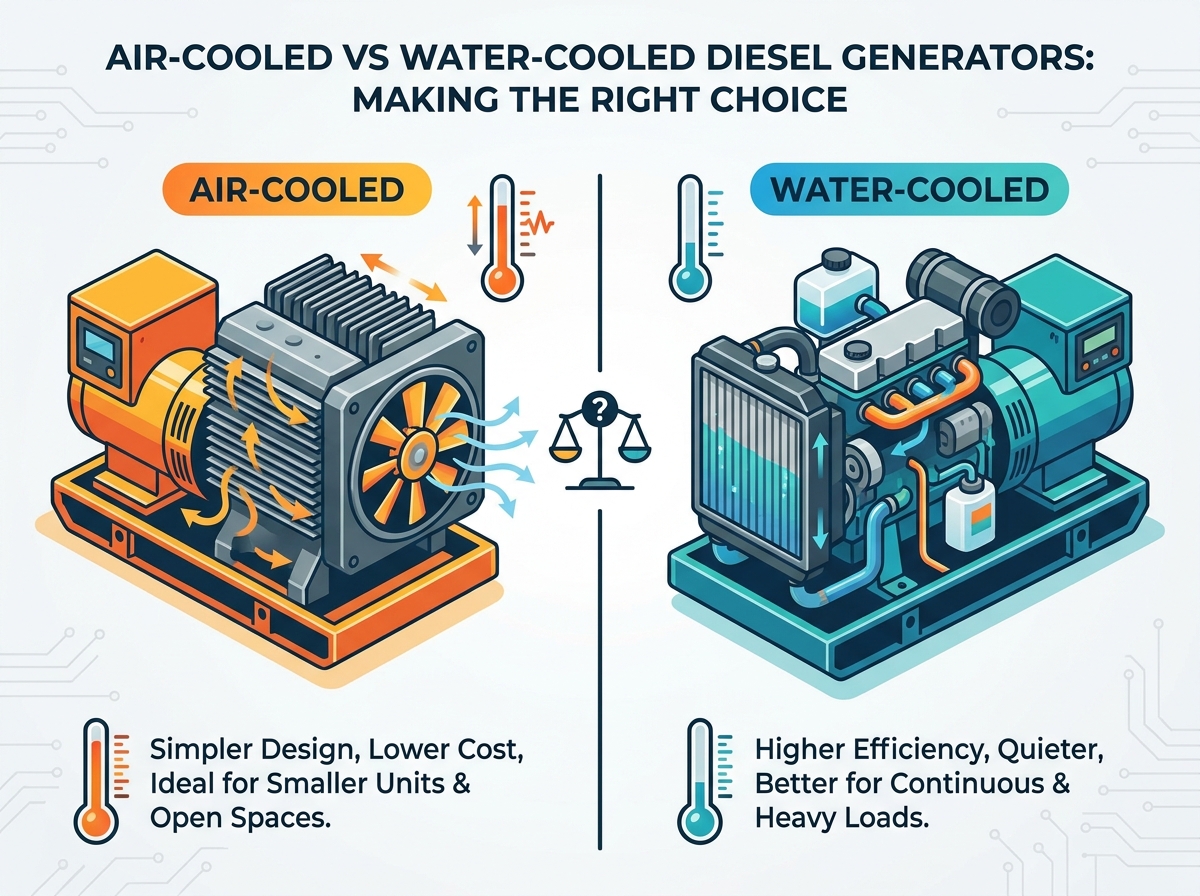
Air-cooled systems use a straightforward mechanical approach to manage this heat. They rely on high-speed, engine-driven blower fans. The fan draws ambient air into the generator enclosure and forces it across cooling fins. Manufacturers cast these fins directly into the external surface of the engine block and cylinder heads. The fins increase the surface area of the hot metal significantly. This design maximizes conductive and convective heat transfer to the passing air. The system then exhausts the heated air directly into the surrounding environment. This architecture eliminates fluid-based components entirely. You will not find radiators, water pumps, rubber hoses, or coolant reservoirs on these units. The resulting design is simple, lightweight, and highly reliable for specific standby applications where mechanical simplicity is preferred.
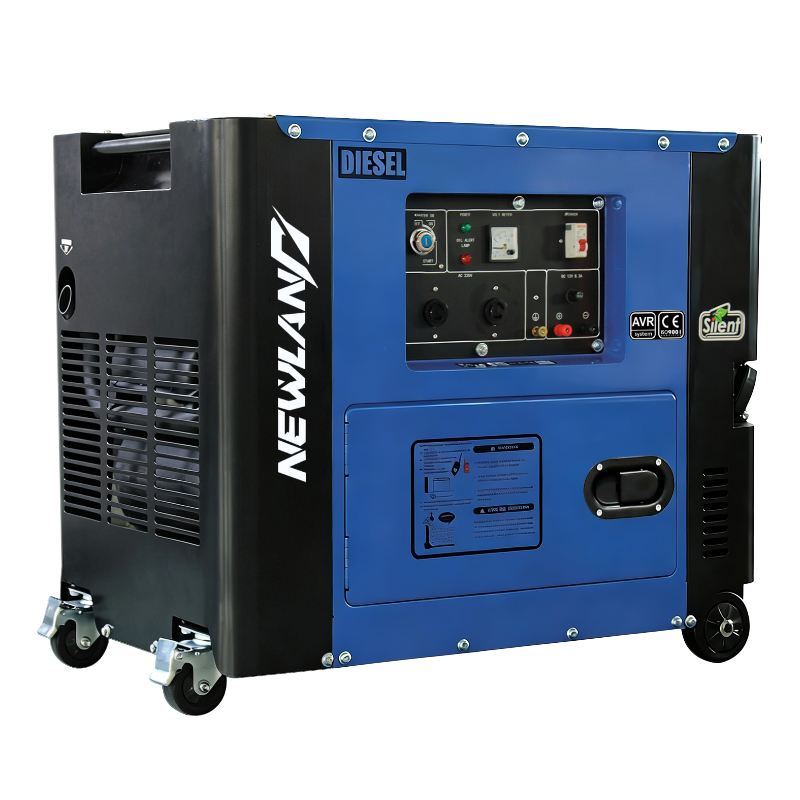
Water-cooled systems employ a closed-loop liquid circulation process, closely mirroring heavy-duty automotive designs. A gear-driven mechanical water pump circulates a specialized mixture of water and ethylene glycol through internal engine passages. We call these internal passages water jackets. They surround the combustion chambers and cylinders directly. The liquid absorbs waste heat from the hot metal surfaces through direct conduction. The mechanical pump forces the heated coolant out of the engine block and into an external radiator assembly. A large fan blows ambient air through the dense radiator core to extract heat from the liquid. A thermostatic valve regulates the coolant flow rate. It stays closed when the engine is cold to allow rapid warm-up, then opens to maintain precise operating temperatures under heavy loads.
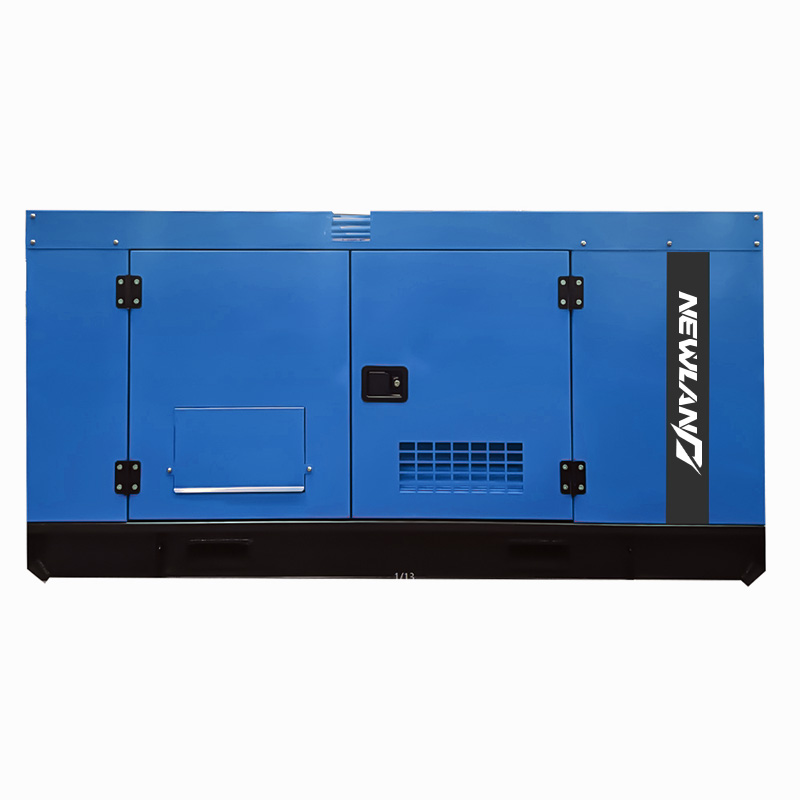
Cooling capacity dictates the maximum kilowatt (kW) output of any generator system. Internal combustion engines produce waste heat in direct proportion to their electrical load. Higher power outputs require exponentially greater thermal dissipation capabilities to prevent mechanical failure.
Air-cooled units face inherent thermal limitations based on their physical design. They rely entirely on ambient air velocity and external fin surface area. Manufacturers cap these units at lower power ranges to ensure safe operation. Most models operate safely under 25 kW. Pushing an air-cooled engine beyond this threshold generates heat faster than the fins can shed it into the surrounding air. Therefore, these units serve primarily as standby power sources. They handle intermittent loads during temporary grid outages highly effectively, but they cannot sustain heavy industrial loads continuously.
Water-cooled generators represent the definitive standard for prime power applications. Liquid coolant absorbs and transfers heat significantly faster and more efficiently than air. This superior thermal transfer allows manufacturers to build massive, high-kW industrial engines. These units support continuous operation across extended durations without thermal degradation. They handle heavy, fluctuating load demands without overheating. Facilities requiring megawatts of backup power rely exclusively on liquid-cooled architectures to maintain operational stability.
Specification | Air-Cooled Generators | Water-Cooled Generators |
|---|---|---|
Typical Power Range | 1 kW to 25 kW | 25 kW to 2000+ kW |
Primary Application | Intermittent Standby / Mobile | Continuous Prime / Heavy Industrial |
Maintenance Complexity | Low (Visual checks, fin cleaning) | High (Coolant flushes, leak checks) |
Acoustic Profile | Higher dB (Requires open air) | Lower dB (Easier to enclose and dampen) |
Footprint | Compact and lightweight | Large and heavy (Requires structural support) |
Geographic location and local climate heavily influence equipment performance. Extreme ambient temperatures challenge the efficiency of any thermal management system, requiring careful site evaluation before installation.
Air-cooled units risk severe thermal derating in hot climates. When ambient air temperatures exceed manufacturer thresholds, the incoming air loses its cooling efficacy. The critical temperature differential between the hot cooling fins and the incoming air shrinks. This reduces the rate of heat transfer drastically. To protect the engine, the electronic control unit (ECU) pulls back fuel delivery, reducing overall power output. This derating compromises the reliability of the power supply during peak summer conditions.
Liquid coolant provides exceptional resilience against external heat spikes. The closed-loop system maintains a highly stable internal operating temperature regardless of minor external fluctuations. The large radiator and high-capacity fans manage heat rejection efficiently, even in extreme desert climates. This thermal stability ensures consistent power delivery without unexpected derating.
Furthermore, water-cooled systems depend less on massive volumes of ambient air flowing directly over the engine block itself. They isolate the heat rejection process entirely at the radiator. This separation makes them vastly superior for high-temperature environments and enclosed industrial spaces where ambient airflow is restricted.
Acoustic pollution remains a primary concern for urban and residential installations. The decibel (dB) output differs drastically between the two primary cooling methodologies.
Air-cooled engines are inherently louder during operation. They require high-speed, high-volume fans to force sufficient air across the cooling fins. These aggressive fans generate significant aerodynamic noise. Additionally, the bare metal engine block lacks any external dampening material. Mechanical noises from internal combustion, valve trains, and moving parts project directly into the surrounding environment.
Water-cooled systems facilitate much easier acoustic attenuation. The liquid water jacket surrounding the cylinders acts as a dense, highly effective acoustic barrier. It dampens internal mechanical noise effectively before it escapes the block. The radiator fans operate at lower, more controlled speeds compared to air-cooled blower fans. Engineers can easily install sound-attenuating enclosures around liquid-cooled units. This makes them the preferred choice for noise-restricted commercial zones, hospitals, and residential neighborhoods.
Physical dimensions and installation logistics impact site planning significantly. Facility managers must account for space constraints and structural support requirements before finalizing procurement.
A Diesel Generator (Air-cooled) offers a distinct advantage regarding physical footprint. The complete absence of a radiator, coolant reservoir, and heavy liquid reduces overall dimensions. This compact profile increases equipment mobility drastically. Construction crews deploy these units rapidly across temporary job sites. They fit easily onto small trailers or directly in the beds of utility vehicles.
Installation constraints differ heavily between indoor and outdoor environments. Air-cooled units require massive ventilation clearances to function properly. They must draw in fresh air and exhaust hot air without any recirculation. Installing them indoors requires complex, high-volume louver systems that consume valuable wall space.
Water-cooled units adapt much better to indoor commercial spaces. Installers can duct the radiator exhaust directly outside the building using custom sheet metal. This prevents the engine room from overheating during operation. However, these units weigh significantly more due to the coolant volume and heavy radiator assemblies. Facilities must ensure concrete pads and structural supports can handle the increased static load.
Follow these site preparation steps when installing an air-cooled unit outdoors:
Measure the installation footprint to guarantee a minimum of three feet of clearance on all sides of the unit.
Verify the prevailing wind direction to prevent the unit from ingesting its own hot exhaust air.
Install a rigid concrete mounting pad to prevent the unit from sinking into soft soil over time.
Erect a sunshade or canopy over the unit to reduce direct solar heat gain on the engine block.
Compare the upfront purchase costs carefully. Water-cooled systems carry a distinct premium due to their complex components. You are paying for heavy-duty radiators, mechanical water pumps, thermostatic valves, and reinforced silicone hoses. The manufacturing process for liquid-cooled engine blocks is also more intricate. Air-cooled units present a lower barrier to entry because they lack these fluid management components entirely. Their simplified manufacturing process translates directly to lower initial procurement costs.
Fuel consumption metrics vary based on the mechanical demands of the cooling system itself. Engineers must account for internal energy losses when evaluating overall system efficiency.
Water-cooled units experience a mechanical phenomenon known as parasitic load. The engine must expends mechanical energy to drive the water pump continuously. It also powers the large radiator fan via belts or direct drives. This internal energy consumption slightly reduces the overall fuel efficiency of the generator. The efficiency drop becomes most noticeable at lower operational loads.
Air-cooled models avoid this specific parasitic liquid load entirely. They only drive a single cooling fan. At lower kW outputs, they often demonstrate slightly better fuel economy. However, this minor efficiency gain disappears as load demands increase and thermal efficiency becomes the dominant operational factor.
Maintenance schedules dictate the operational readiness of backup power systems. The complexity of these schedules varies directly with the chosen cooling architecture.
Air-cooled systems follow a highly streamlined maintenance protocol. Technicians focus primarily on external visual inspections. They must clear dust, leaves, and debris from the cooling fins regularly. Blocked fins cause immediate overheating and potential engine damage. Technicians also inspect and replace fan drive belts. The complete lack of fluid systems eliminates the need for leak checks or fluid replacements.
Water-cooled systems demand rigorous, comprehensive upkeep protocols. The closed-loop liquid system introduces multiple mechanical failure points. Technicians must perform scheduled coolant flushing to prevent internal block corrosion. They conduct frequent leak inspections on rubber hoses, metal clamps, and water pump seals. Radiator fins require regular chemical cleaning to maintain proper airflow. Neglecting any of these components risks sudden thermal failure during critical operation.
Execute the following maintenance routine for water-cooled systems to ensure reliability:
Test coolant specific gravity using a hydrometer to ensure proper freeze protection levels.
Inspect all rubber radiator hoses for micro-cracks, bulging, or hardening caused by heat cycling.
Check the water pump weep hole for signs of active coolant leaks or seal degradation.
Pressure test the radiator cap to verify it holds the manufacturer-specified system pressure.
Flush the entire cooling system chemically every two years to remove scale buildup and silicate dropout.
Liquid cooling provides profound metallurgical benefits for heavy-duty engines. The continuous flow of coolant through the internal water jacket prevents localized hot spots within the engine block. It ensures uniform temperature distribution across all cylinders simultaneously. This precise thermal regulation reduces mechanical stress on head gaskets, pistons, and exhaust valves. This uniform cooling significantly extends the operational lifespan of the generator. The internal engine components experience far less wear over thousands of operating hours. The superior lifecycle durability easily justifies the more complex and demanding maintenance routine required by liquid-cooled architectures.
Deploying equipment outside its intended operational parameters guarantees mechanical failure. Air-cooled systems present specific environmental vulnerabilities that require careful mitigation.
Placing these units in enclosed spaces without adequate airflow creates severe operational risks. The engine exhausts massive amounts of hot air continuously. If the space lacks proper ventilation, the unit ingests its own heated exhaust. This recirculation causes rapid overheating and triggers immediate engine shutdown protocols.
Mitigation requires strict engineering oversight during the planning phase. Facility managers must mandate comprehensive ventilation calculations before installation. Installers must enforce strict physical clearance requirements around the unit. Furthermore, operators must avoid placing these generators in direct, unshaded extreme heat. Proper site selection prevents dangerous thermal bottlenecks.
Liquid cooling introduces fluid-specific vulnerabilities to the power system. Environmental extremes and standard mechanical wear threaten system integrity over time.
Coolant degradation occurs naturally over time, reducing its heat transfer capabilities and anti-corrosive properties. In sub-zero climates, improper coolant mixtures freeze solid. Freezing liquid expands forcefully, which cracks the cast-iron engine block irreparably. Rubber hoses degrade from constant heat cycling and eventually rupture, causing catastrophic coolant loss.
Mitigation relies entirely on proactive maintenance protocols. Facilities in cold climates must implement automated block heaters. These heaters keep the coolant warm while the engine remains idle. Technicians must establish strict fluid sampling protocols to monitor coolant health and pH levels. Finally, maintenance schedules must mandate proactive hose and clamp replacements before visible degradation occurs.
Certain applications align perfectly with the mechanical simplicity of air-based thermal management. These scenarios prioritize high mobility and straightforward operation over sheer power output.
Ideal use cases include residential backup power, small commercial standby applications, and temporary agricultural needs. Mobile construction crews rely heavily on these units for lighting towers and portable tool power.
Engineers should specify these units based on strict operational criteria. The facility must have sub-25 kW power requirements. The operational profile must demand high mobility and rapid deployment capabilities. The local climate should feature moderate ambient temperatures year-round. Finally, the site must accommodate outdoor installation with unrestricted airflow.
Heavy-duty industrial applications demand uncompromising power delivery and absolute thermal stability. Liquid cooling provides the necessary mechanical endurance for these demanding environments.
Ideal use cases encompass massive data centers, regional hospitals, large manufacturing plants, and heavy commercial settings. Remote microgrids rely on these robust units for continuous prime power generation.
Specification criteria focus heavily on scale and endurance. The application must require high kW output and continuous or prime runtime capabilities. The environment may feature extreme ambient heat requiring superior heat rejection. The site location might enforce strict noise ordinances requiring heavy acoustic attenuation. The facility may require indoor installation with ducted radiator exhaust systems.
The performance justification remains exceptionally clear. The complex maintenance requirements yield top-tier performance. They guarantee durability and reliability in critical settings where power downtime remains entirely unacceptable.
Evaluating an air cooled vs water cooled diesel generator requires objective technical analysis. Neither system holds universal superiority across all applications. The optimal choice depends entirely on specific load profiles, environmental conditions, and operational intent.
Prioritize water-cooled architectures for scale, endurance, and quiet operation. Their thermal stability supports massive power outputs and continuous runtimes. Conversely, prioritize air-cooled architectures for mechanical simplicity, rapid mobility, and smaller footprint requirements.
Take the following actionable steps to finalize your equipment selection:
Conduct a formal load bank calculation to determine exact continuous and peak kW requirements.
Assess site-specific ambient temperature extremes to identify potential thermal derating risks.
Evaluate local noise ordinances and acoustic restrictions for the intended installation zone.
Consult with a certified power generation engineer to finalize technical specifications and installation logistics.
A: Air-cooled units often demonstrate slightly better fuel efficiency at lower operational loads. Water-cooled systems experience a parasitic load. The engine must expend mechanical energy to drive the water pump and circulate the liquid coolant, which marginally increases fuel consumption.
A: These units are primarily designed for intermittent standby applications rather than continuous prime power. Extended continuous operation pushes their thermal limitations. In hot environments, continuous running significantly increases the risk of overheating and mechanical degradation.
A: Industry standards typically cap air-cooled units around 22 to 25 kW. Beyond this power threshold, the physical volume of ambient air required for effective heat dissipation becomes entirely impractical for standard enclosure designs.
A: Yes. In freezing climates, liquid systems require precise anti-freeze coolant mixtures. Facilities must also install automated engine block heaters. These components prevent the liquid coolant from freezing, expanding, and cracking the internal engine block during idle periods.
A: Water-cooled models operate significantly quieter, often reducing acoustic output by several decibels. The liquid water jacket surrounding the cylinders acts as a highly effective sound dampener, absorbing internal mechanical and combustion noises before they project outward.
A: Water-cooled generators generally provide a longer operational lifespan. Liquid cooling ensures precise, uniform temperature control across the engine block. This prevents localized thermal hot spots, drastically reducing metallurgical fatigue on internal engine components over time.


